When Stories Do More Than Entertain: Literary Genres Tackling Social Issues
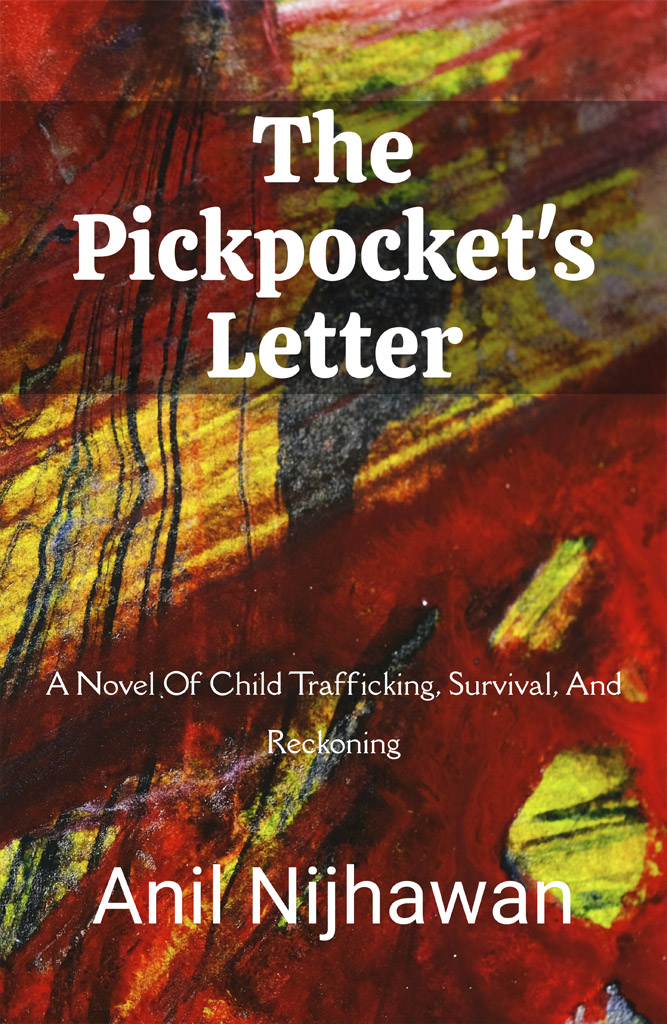
When I was writing my most recent novel, The Pickpocket’s Letter, someone asked if I had ever picked up a book expecting a thrilling adventure, a gripping mystery, or a heartwarming romance, only to find myself thinking deeply about society, culture, or human behaviour.
That made me think about my writing. I realised I was as much involved in the literature’s greatest tricks as the next author, which is: teaching readers something important while keeping them thoroughly entertained.
Books have long been a mirror held up to society, reflecting both its triumphs and its challenges. What’s fascinating is that social issues aren’t confined to serious academic texts or dense literary classics. They can be found hiding in nearly every genre, often wearing clever disguises.
Take science fiction, for example. On the surface, it’s all about spaceships, futuristic gadgets, and distant planets. But scratch beneath the shiny exterior, and you’ll often find explorations of inequality, environmental concerns, and questions about what it means to be human. Apparently, discussing difficult social issues becomes a little easier when robots and aliens are involved.
Fantasy works in a similar way. Dragons, magical kingdoms, and enchanted forests may seem far removed from reality, yet many fantasy novels tackle themes such as power, prejudice, corruption, and social justice. It turns out that battling an evil wizard can sometimes be an excellent metaphor for confronting real-world problems.
Mystery and crime fiction also deserve credit. While readers are busy solving a murder or uncovering a secret, authors frequently examine issues such as poverty, systemic injustice, discrimination, and abuse of power. The detective may be searching for a culprit, but the story often asks readers to investigate society itself.
Even romance novels contribute to important conversations. Beyond the happy endings, many modern romances explore gender roles, cultural expectations, mental health, and diverse relationships. Love stories, it seems, are also stories about the communities and social structures that shape our lives.
Young adult fiction has become particularly influential in addressing social issues. Through relatable characters and engaging narratives, these books explore topics such as identity, bullying, race, climate change, and mental health. They prove that meaningful discussions don’t have to wait until adulthood.
What makes genre fiction so effective is its ability to create empathy. A reader will step into another person’s shoes, sometimes quite literally, if those shoes belong to a time traveller, vampire, or wizard. By experiencing different perspectives, we become more aware of the challenges others face and more thoughtful about the world around us.
The beauty of literary genres is that they remind us learning doesn’t always have to feel like homework. Sometimes, the most powerful lessons arrive wrapped in a mystery, hidden in a fantasy kingdom, or riding aboard a spaceship headed for the stars.
So the next time someone tells you they’re “just reading for fun,” don’t be too quick to believe them. They might also be exploring social issues, questioning assumptions, and gaining new perspectives—all while enjoying a really good story, like the one I mentioned earlier, The Pickpocket’s Letter.


0 Comments