‘Have you ever had your pocket picked?’
Now that is a question no one had put to me in my entire life until Saturday afternoon last week.
I was in the High Street, whiling away an hour while my wife did the shopping. I came to a pub at the end of the high street. A cosy Victorian-era tavern smelling of old leather and ale, I had visited before.
A sign at the entrance read: Creche for Husbands. Ladies, deposit your husbands here while you do the shopping. Our trained staff will keep them safe and entertained.
So, I deposited myself in the bartender’s safe hands and requested that he entertain me. He smiled and handed me a pint of the local brew.
I was enjoying the ale, watching a game of football on the giant television, when he put the question to me.
‘Have you ever been pickpocketed, gov?’
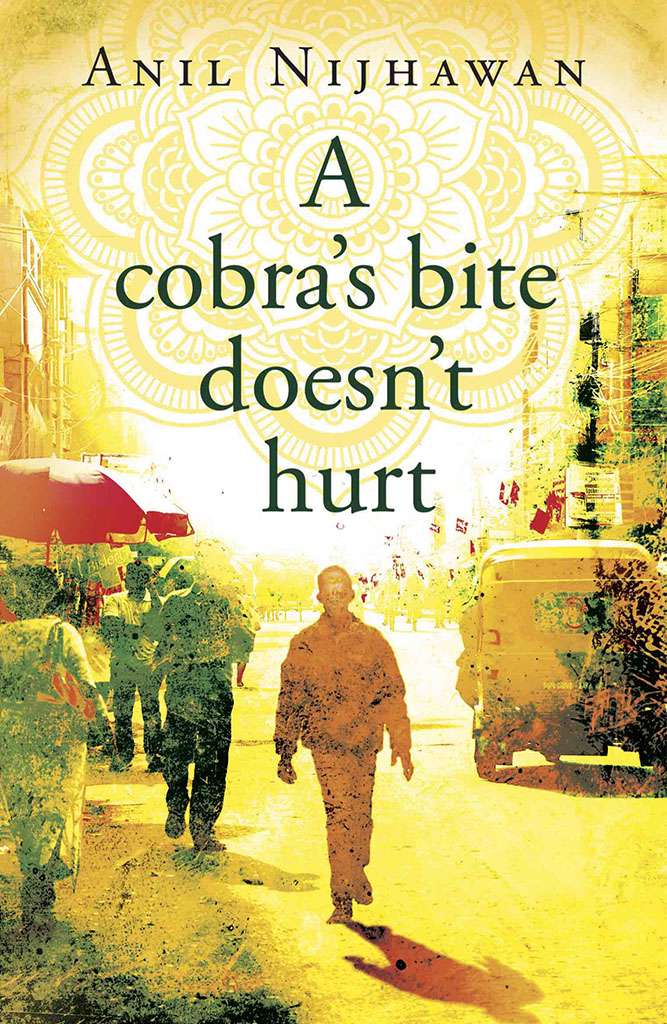
I wondered why he had asked me that. Does he know I have written a book titled The Pickpocket’s Letter? And therefore, I would be an authority on the subject. He wasn’t wrong, though, for I had done some research on the history of pickpocketing.
‘No, I dare say I have never been a victim of such a crime,’ I replied, ‘there is a good reason for it. Look at me. Do I look as if I am worth very much?’
He regarded me up and down, at my weather-beaten coat and trousers which could easily have come from the sale-end of a charity shop.
He smiled. ‘You are right, gov. It’s wise not to draw attention to oneself these days. You never know what they will do when they are desperate. Only last week, a lady here, on that table, had her purse nicked from right under her nose. No one saw a thing.’
‘Can’t be good for your business when it happens here,’ I said, ‘but there is not much one can do to eradicate this scourge. For as long as people have gathered in busy places, there has been someone quietly wondering whether the wallet in the next person’s pocket might prefer a change of ownership. While fashions have changed and cities have grown taller and louder, the art of the sneaky hand has remained surprisingly consistent. In fact, the history of pickpocketing tells us almost as much about clothing and city life as it does about crime.
‘Long before trousers and coats came equipped with tidy little pockets, people tried to safeguard their valuables by carrying them in small pouches tied to their belts or girdles. These pouches—sometimes called “pokes”—were convenient for the owner but equally convenient for anyone with a sharp knife. Hence the title “cut-purse’.
He darted to the other end of the bar to serve a customer and then came back. ‘If I were the Prime Minister, I would order the police to give these thugs a good hiding in public until they beg for mercy. Like they used to do in the past.’
‘Did that kind of punishment work? Clearly not. On the contrary, by the late sixteenth century, pickpocketing had become sophisticated enough to require training. In London, one particularly enterprising figure, Wotton, reportedly ran a school for young thieves around 1585. His teaching equipment included purses suspended from a frame with tiny bells attached. The challenge for students was simple: remove the purse without ringing the bell.
‘The rise of sewn-in pockets during the seventeenth century changed the pickpocket’s craft but certainly didn’t end it. Men began storing coins and valuables inside their coats, while women often kept tie-on pouches hidden beneath their skirts. Thieves adapted quickly, developing new techniques to reach these more secure hiding places. By the eighteenth and nineteenth centuries, pickpocketing had become almost professionalised. Organised groups known as “swell mobs” worked together in crowded streets and theatres in cities such as London and New York. They dressed respectably—sometimes even elegantly—so that nobody would suspect the well-dressed gentleman standing beside them was quietly relieving them of their watch.’
He was quiet for a few minutes. Seeing my glass was empty, he pulled another pint of the ale in a fresh glass and slid it towards me. ‘You appear remarkably well informed on this matter, gov.’
‘I will admit,’ I said, ‘I have done research on pickpocketing, both here in England and in India. It was necessary to help me write the book, The Pickpocket’s Letter.’
He leaned forward with a supporting elbow on the bar counter, indicating that he wanted to hear more.
‘Children, unfortunately, played a significant role in these operations. Many were orphans trained by experienced criminals who recognised that small hands and innocent faces were excellent tools for slipping unnoticed through crowds. Literature immortalised this reality through characters such as Fagin and the Artful Dodger in Charles Dickens’ Oliver Twist. Their fictional antics were based on a very real social problem: gangs that relied on young apprentices to do the delicate work.
Among the historical figures of this unusual profession, one name stands out for both skill and theatrical flair: George Barrington. Active in the late eighteenth century, Barrington targeted wealthy theatregoers and high-society crowds. What truly made him famous, however, was not only his nimble fingers but also his eloquence. When caught, he reportedly defended himself in court with such charm and wit that he became something of a celebrity criminal—a strange combination of thief and public speaker.
‘The fundamental methods of pickpocketing have changed remarkably little. The classic techniques still revolve around distraction and movement: a bump in a crowd, a momentary diversion, or the subtle brush of a hand to locate a wallet. In the nineteenth century, the skill even acquired a name, fobology, the supposed science of removing items from pockets. Whether practitioners truly viewed it as a science is debatable, but the term certainly adds a scholarly touch to the business of stealthy thievery.
‘What has changed are the prizes. Where once the goal was coins or a pocket watch, modern pickpockets prefer smartphones, passports, and well-stocked wallets. Busy urban spaces remain the ideal hunting ground: transit stations, tourist attractions, and crowded festivals provide exactly the same conditions that attracted cut-purses centuries ago. Cities such as Bangkok, Rome, and London are frequently mentioned as places where the nimble-fingered trade continues to flourish.
‘In the end, the story of pickpocketing is really the story of cities themselves. As urban life expanded—bringing together strangers, noise, movement, and distraction—it created the perfect stage for this quiet form of mischief. Pockets may have become deeper, clothing more secure, and police more watchful, but wherever people gather in great numbers, there will probably be someone nearby practising the ancient art of the disappearing wallet. And if history has taught us anything, it’s that the craft of the light-fingered will evolve just as quickly as our pockets do.’





0 Comments