Cinema in 1930s Calcutta, Film and the British Raj
Discover cinema in 1930s Calcutta, from Hollywood glamour and Bengali films to the grand theatres that entertained audiences during the British Raj.
A Moment in Time
Calcutta, August 1934 – 7:15 p.m.
The evening air is warm as crowds gather beneath the glowing lights of the Metro Cinema on Chowringhee. Smartly dressed couples, office clerks, university students, and Anglo-Indian families queue patiently in front of colourful posters advertising the latest Hollywood film.
A doorman in an immaculate uniform welcomes guests through polished brass doors into a magnificent foyer of marble floors, crystal chandeliers and sweeping staircases. An usher escorts patrons to plush velvet seats as the orchestra plays softly before the curtains rise.
As the lights dim, conversation fades into silence.
For the next two hours, the worries of everyday life disappear.
On the silver screen, another world comes alive.
A City That Loved the Cinema
The city was already celebrated as the cultural capital of British India, renowned for its theatres, literature, music and intellectual life. The arrival of motion pictures in the early 1930s added an exciting new dimension to urban entertainment. It quickly became one of Calcutta’s most popular forms of entertainment.
Whether watching the latest Hollywood romance, a British historical drama, or an emerging Bengali production, cinemagoers embraced the magic of storytelling on film.
For many families, an evening at the pictures became a cherished monthly tradition.
The Arrival of the Talking Picture
Silent films rapidly gave way to “talkies”, transforming the experience for audiences worldwide.
India’s first full-length talking film, Alam Ara, premiered in 1931 and sparked extraordinary enthusiasm throughout the country.
Soon, cinemas in Calcutta echoed not only with music from live orchestras but also with dialogue, songs and sound effects.
Hollywood came to the Hooghly, captivating Calcutta audiences.
Films starring Clark Gable, Greta Garbo and Fred Astaire drew enthusiastic crowds, offering a glimpse into distant worlds of elegance, adventure and romance.
Calcutta’s Grand Picture Palaces
Cinema in 1930s Calcutta was about far more than the films themselves. The venues too took on a life of their own. In the 1930s, Calcutta’s main picture halls included iconic venues such as the Metro Cinema, opened in 1935 by MGM on Esplanade, designed in Art Deco style by Thomas Lamb to showcase Hollywood films.
Globe Cinema: A prominent downtown venue on Lindsay Street, known for screening major English-language and Hollywood releases.
New Empire Cinema: Transitioned from a variety/performance theatre to a venue dedicated to film screenings. Crown Cinema: Situated in central Calcutta, it is famous for premiering early milestone sound films such as Jamai Shashthi.
Elphinstone Picture Palace: India’s first purpose-built movie theatre run by J.F. Madan, which later became Chaplin Cinema.
And the Elite Cinema: Operated under the Madan banner and later transitioned into a major cinematic hub.
The Rise of Bengali Cinema
While Hollywood remained immensely popular, Calcutta was also emerging as one of India’s great centres of film production.
Studios such as New Theatres earned a reputation for technical excellence and artistic ambition.
Their productions blended music, literature and drama, helping to establish Bengali cinema as one of the country’s most respected creative traditions.
Actors, directors and musicians associated with New Theatres would shape Indian cinema for decades to come, creating a uniquely cosmopolitan film culture.
More Than Entertainment
Cinema also reflected the changing society of the 1930s.
It introduced audiences to new fashions, music and social attitudes. Young people admired the clothing worn by film stars. Songs from popular films were sung in homes and cafés across the city. For many, cinema embodied modernity. It connected Calcutta with London, New York, Bombay and the wider world in ways previous generations could scarcely have imagined. It became a mirror of a changing society and helped shape the aspirations of a generation growing up in the final days of the Raj.
From My Research Desk
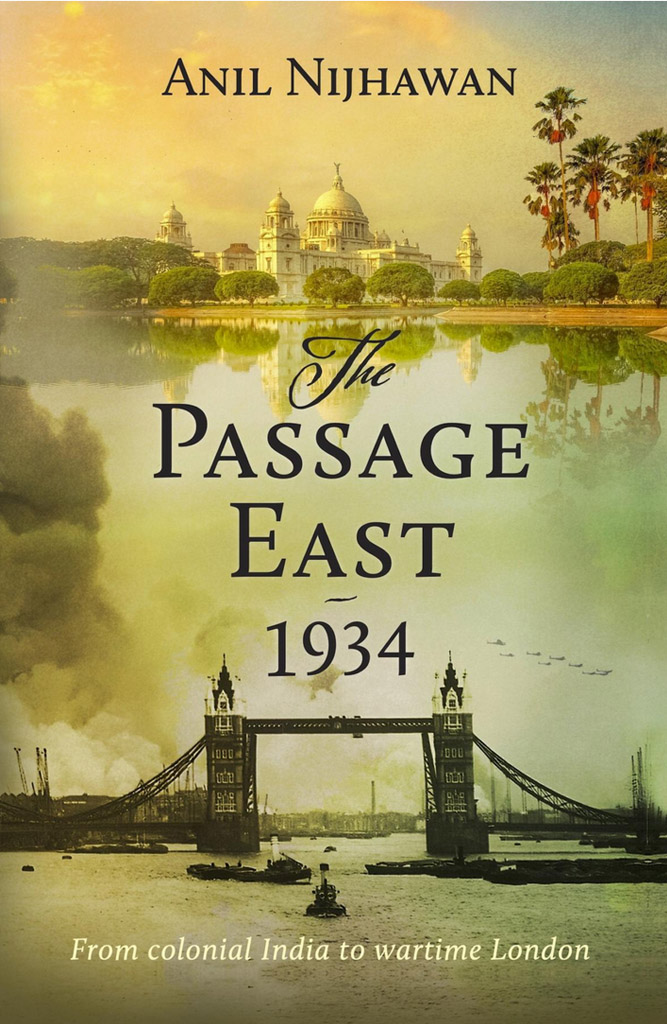
While researching the novel The Passage East (1934), I found that old newspapers devoted almost as much space to cinema advertisements as to political news.
Film listings, theatre reviews and photographs of movie stars appeared alongside reports on the Legislative Assembly and the commercial markets.
It reminded me that even in an era of profound political change, ordinary people still sought laughter, romance and escape.
Looking Back
Today’s multiplexes bear little resemblance to the grand picture palaces of colonial Calcutta, yet the excitement of watching a film with hundreds of strangers remains remarkably familiar.
Many of the great cinemas of the British Raj have disappeared or found new purposes, but their legacy lives on in the city’s enduring love of storytelling.
For anyone interested in the history of British India, the cultural life of Calcutta or the inspiration behind historical fiction such as The Passage East 1934, the city’s cinemas offer a fascinating window into an unforgettable age.
Did You Know?
The talkies changed everything.
The advent of sound films in the early 1930s transformed Indian cinema almost overnight, making music and dialogue central to the film-going experience.
New Theatres became legendary.
Founded in Calcutta in 1931, it helped establish Bengali cinema as one of the finest traditions in Indian filmmaking.
Going to the cinema was a social occasion.
For many families, an evening at the pictures meant dressing elegantly, dining afterwards and strolling along Chowringhee before returning home.
Hollywood and Bengal shared the spotlight.
Audiences in Calcutta enthusiastically embraced both international films and locally produced Bengali classics, fostering one of Asia’s most cosmopolitan cinema cultures.
If you could spend one evening in Calcutta in 1934, would you choose a glamorous Hollywood premiere on Chowringhee or a celebrated Bengali film at one of the city’s historic cinemas? I’d love to hear your thoughts in the comments.




0 Comments