Everyday Life in British India, from sunrise to sunset in the Raj

Posted On July 11, 2026

l

by Anil Nijhawan

The Raj Journal

#2     Everyday Life in British India    from Sunrise to Sunset in the Raj

A Moment in Time
Calcutta, July 1934 – 6:30 a.m.
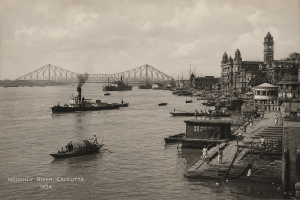
The first rays of sunlight glimmer across the River Hooghly. A steamer blows its whistle. Along Chowringhee Road, tramcars set out on their daily journeys, carrying clerks, teachers and merchants towards the city’s commercial heart. A tea seller pours steaming chai into small cups, while newspaper boys weave through the streets, shouting the morning headlines.
In the spacious bungalows of Alipore, ceiling fans turn lazily as breakfast is laid out on wide verandas. Across the city, shopkeepers lift their shutters, dockworkers prepare for another day’s labour, and schoolchildren, books tucked under their arms, hurry towards their classrooms.
This was everyday life in British India—not the grand ceremonies of empire, but the countless routines that shaped millions of lives.
A Land of Contrasts
British India in 1934 spanned an immense and varied landscape, from the Himalayan foothills to the tropical coasts of the Indian Ocean. No two regions were identical, yet daily life was shaped by the climate, the seasons and the rhythms of work.
For British officials, merchants and professionals, India could offer a comfortable lifestyle. Many lived in spacious bungalows with gardens, employing household staff such as cooks, bearers, gardeners and ayahs. The tropical climate encouraged early mornings, a slower pace during the hottest part of the day, and evenings spent outdoors once the air had cooled.
For most Indians, life was very different. Farmers tended their fields from dawn, factory workers and dock labourers worked long hours, and shopkeepers relied on the bustle of local markets. Yet despite these differences, the routines of work, family and community connected people across social boundaries.
Breakfast in the Raj
The day often began early.
British families might gather for a breakfast of eggs, toast, porridge, fruit and tea, served on a shaded veranda before the heat became oppressive. However, Indian influences were never far away. Dishes such as kedgeree—a flavourful mix of rice, fish and spices—had become a favourite breakfast, illustrating how culinary traditions blended over time.
Elsewhere in the city, many Indians began the day with simpler fare: chapatis, rice, lentils or fresh fruit, often accompanied by tea made with milk and spices.
Food was one of the many ways in which cultures met and influenced one another.
Going to Work
By eight o’clock, the streets were alive.
In Calcutta, electric trams carried office workers to Dalhousie Square, where banks, insurance companies and government departments occupied impressive colonial buildings. The railway stations bustled with passengers travelling to work, while the docks along the Hooghly handled cargo arriving from across the Empire.
Anglo-Indians played a prominent role across many public services. They worked as railway guards, station masters, telegraph operators, teachers and postal employees, helping to keep the vast machinery of British India running smoothly.
Indian entrepreneurs, lawyers, doctors, engineers and civil servants were also making their mark, particularly in the growing urban centres.
The Midday Heat
By noon, the tropical sun could be relentless.
During the hottest months, temperatures often climbed above 35°C. Offices slowed, shopkeepers rested in the shade, and many families paused for lunch before the afternoon resumed.
The monsoon brought dramatic relief. Heavy rain cooled the air, but it often flooded the streets, turning everyday journeys into unexpected adventures. Children splashed through puddles while rickshaw pullers skilfully navigated the waterlogged roads.
The weather was more than a backdrop; it shaped the rhythm of every day.
School and Education
Education was highly valued across many communities.
Mission schools, convents, government schools and Indian institutions prepared young people for careers in administration, commerce, medicine and engineering. English-language education created opportunities throughout the Empire, while Indian languages remained central to cultural and family life.
Schooldays often included organised sport. Cricket, hockey, football, tennis and rugby were considered important parts of education, teaching discipline, teamwork and resilience.
Markets and Shopping
The markets of British India were vibrant places where commerce and community met.
Vendors sold fragrant spices, fresh vegetables, silks, jewellery, books and handcrafted goods. Bargaining was common, and each market had its own character.
British department stores catered to European tastes with imported goods, whereas Indian bazaars offered an astonishing variety of local products.
Walking through a market meant experiencing the sounds of traders hawking prices, the aroma of spices and fresh flowers, and the dazzling colours of textiles in the sunlight.
Evenings in the Raj
As the day’s heat faded, life moved outdoors.
Families gathered on verandas to catch the evening breeze. Children played in gardens and parks, while friends met for conversation over tea.
For the British community, evenings might include dinner at a club, a game of tennis or bridge, or a concert by a local orchestra. The Bengal Club, Tollygunge Club and other institutions were centres of social life.
Indian families cherished their rich traditions, from religious festivals and music to theatre, literature and community gatherings. Cities such as Calcutta were renowned for their intellectual life, with lively debates held in cafés, universities and cultural societies.
A Society in Transition
Although everyday routines continued much as they had for years, 1934 was also a period of quiet transformation.
The independence movement had gathered momentum. Newspapers carried reports of political debate, while conversations in homes, offices and universities increasingly turned to India’s future.
Most people, however, remained focused on everyday concerns: earning a living, educating their children, caring for their families, and hoping for a better future.
History often changes gradually before it changes dramatically.
From My Research Desk
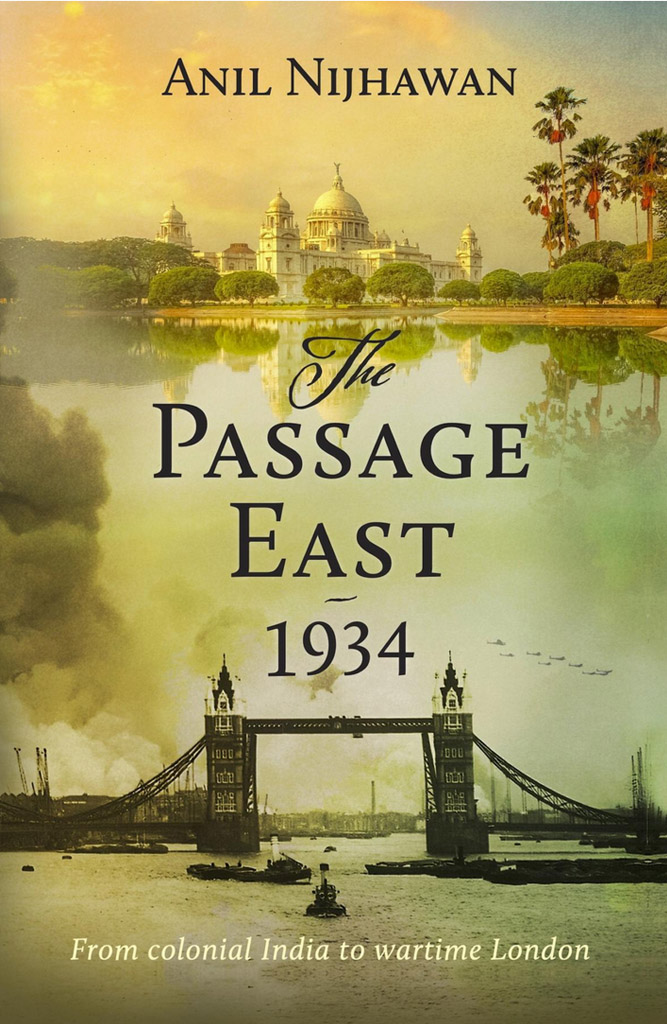
One of the pleasures of researching The Passage East 1934 was discovering that history is built on ordinary moments as much as on extraordinary events.
Old diaries, memoirs and photographs reveal not only major political developments but also the small details that made everyday life memorable: the comforting ritual of afternoon tea, the excitement of a tram ride through Calcutta, the relief of the first monsoon rain, and the laughter of children playing cricket on the Maidan.
These everyday experiences help us understand the people behind the headlines.
Looking Back
When we think of British India, we often picture governors, palaces and imperial ceremonies.
Yet the true story of the Raj was lived by millions of ordinary people: teachers, railway workers, merchants, farmers, nurses, clerks, ayahs, students and shopkeepers. Their days were shaped by work, family, friendship, faith and hope, much as ours are today.
Understanding their daily lives helps us see history not as a distant series of events but as the lived experience of real people navigating a complex and changing world.
That is one of the reasons I chose to set The Passage East 1934 in this fascinating period. By following fictional characters through their ordinary routines and extraordinary challenges, we gain a deeper appreciation of a world that has largely disappeared yet continues to influence both Britain and India.
Did You Know?
Ice Was Once Imported from America
Before refrigeration, blocks of natural ice were shipped from New England to Calcutta in insulated ships. The trade began in the 1830s, astonishing residents who had never seen ice before.
A chilled drink in nineteenth-century Calcutta could contain ice that had travelled more than 15,000 kilometres across the oceans.
Ceiling Fans Were Once a Luxury
Before electric fans became common, wealthy households relied on the punkah—a large cloth fan suspended from the ceiling. A servant, known as a punkah wallah, sat outside the room, pulling a rope for hours to keep the fan moving.
In the hottest months, a punkah wallah might spend an entire working day rhythmically pulling a rope to keep guests cool during meals or office meetings.
If you could spend one day in British India, where would you go first—a bustling Calcutta market, a quiet tea plantation, a railway station, or an evening stroll across the Maidan? I’d love to hear your choice in the comments section.
 

Written by Anil Nijhawan

View my books

Related Posts

Comments

0 Comments

Submit a Comment

Your email address will not be published. Required fields are marked *